
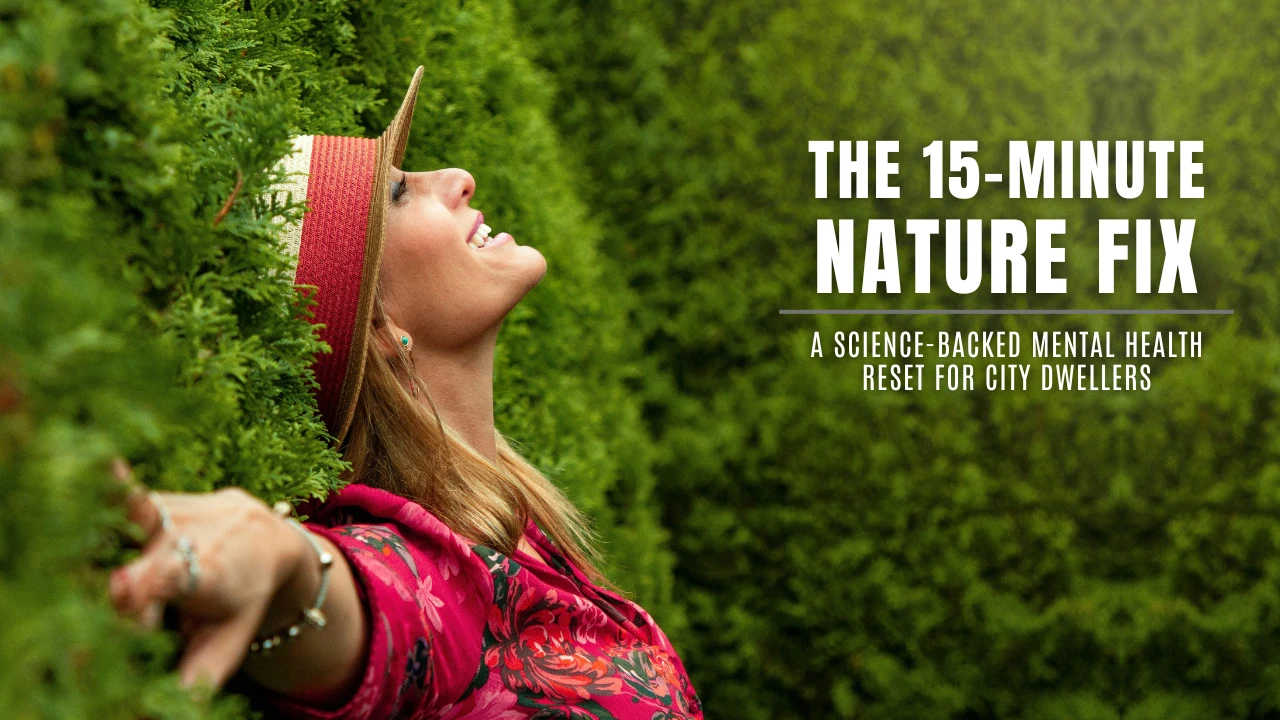
We all know city life stays loud and fast. The pressure of this rush does not always stop when the workday ends. Push alerts keep coming, and crowded streets drain energy. Even by midday, focus weakens and patience runs low. That is when taking a short break in a quiet, green space can be beneficial. It helps shift the rhythm of the day. A quick 15-minute nature break can work wonders for mental clarity and emotional well-being.
Taking a short 15-minute nature break can significantly enhance your mental health and overall well-being.
For those who feel overwhelmed, a 15-minute nature break can be a perfect solution to reset your mood.
Incorporating a 15-minute nature break into your daily routine can provide much-needed relief from city stressors.
One recent study by researchers from Harvard, Stanford’s Natural Capital Project, and Leiden University saw steady improvements after short exposure to everyday green spots. The study found that even 15 minutes spent in nature, or a 15-minute nature break, is enough to lift mood and ease stress for people in dense urban areas. The benefits were evident across various activities and age groups. It demonstrates the practical and effective nature of these small adjustments.
By taking a 15-minute nature break, individuals can find a simple yet effective way to combat urban anxiety.
Every city dweller should consider the benefits of a 15-minute nature break for improved mental clarity.
Integrating a 15-minute nature break into your workday can enhance your productivity and focus.
A regular 15-minute nature break can serve as a valuable tool for mental rejuvenation.
In studies, participants who took a 15-minute nature break reported feeling significantly less stressed.
A simple 15-minute nature break can transform your mental state, making challenges feel more manageable.
Utilizing a quick 15-minute nature break can help urban residents cope with daily stresses.
Finding time for a 15-minute nature break can benefit anyone feeling overwhelmed by city life.
Engaging in a 15-minute nature break can lead to improved mood and productivity.
Anyone struggling with stress should try a 15-minute nature break to help restore balance.
Committing to a 15-minute nature break can enrich your urban experience and elevate your mood.
Integrating a 15-minute nature break into your life can provide significant health benefits.
Taking intentional 15-minute nature breaks can help foster a sense of connection to the environment.
By prioritizing a 15-minute nature break, you can significantly improve your mental health outcomes.
With more people moving into cities, mental health in built environments is becoming a growing concern. Anxiety and mood disorders already affect city residents at higher rates! To achieve some relief, broader access to green spaces could serve as a low-cost health tool if urban planning takes it seriously.
The Urban Mental Health Crisis
Depression shows higher rates in cities, where stressors stay constant and recovery windows stay short. Researchers link urban living with higher risks for mood disorders and persistent stress symptoms. They point to green space as a public health lever with real impact. A short time outside can act like a circuit breaker for stress during busy days.
City stress builds from noise, pollution, crowding, rush, and limited natural views. These “side effects of development” keep the mind in threat mode. Social isolation in large cities adds another burden, and the lack of accessible parks compounds the problem in many areas. These factors make quick access to small pockets of nature more important than ever.
Chronic stress spoils sleep, focus, mood, family life, and productivity. It later feeds back into more depression and other mental issues. Daily recovery breaks help the brain reset, and nature-based breaks are among the most efficient options for that reset. Short outdoor pauses can reduce rumination and make the next task feel doable again.
What 15 Minutes in Nature Can Do For You?
Ultimately, a simple 15-minute nature break can rejuvenate your spirit and enhance your daily life.
A 2025 analysis in Nature Cities reported that brief contact with nature reduces stress and improves mental health outcomes across a wide set of studies. Even less than 15 minutes can help, and effects show up for anxiety, low mood, and general distress in urban populations. The same findings offer guidance for planners who want to improve public health with more green access.
Sitting in a green spot can relax you quickly when you feel low or anxious. Even a little movement still gives you some extra energy and focus. Though approaches help, the best choice depends on the need of the moment. A simple sit on a park bench can make a tough day feel manageable again.
Urban forests tend to show the strongest effects for anxiety as well as depression. Small parks and rooftops with planters also contribute meaningful benefits. Pocket parks raise the odds that people can reach nature in minutes, which is key during a workday. You can say that any visible greenery helps. But the access matters more than grandeur for daily mental resets.
Young adults often gain the most, which matters because many mental health issues begin before age 25. Short nature breaks can fit well into school or campus life and help support early prevention. The habit builds skills for stress control that can last for years.
More time brings bigger gains, so 30 to 45 minutes amplifies stress reduction and vitality, but the first 15 minutes already makes a clear difference. This dose-response pattern matches how the body and mind downshift with sustained natural cues. A short visit works on weekdays, and longer sessions fit weekends or commutes.
How Nature Works Its Magic in Restoring Mental Health
Nature exposure helps balance the sympathetic nervous system. It lowers physiological arousal linked to stress. It can also reduce blood pressure over time. Morning light and spending time outside help set your body clock. This clock affects how well you sleep and feel the next day. When it’s balanced, your mood feels steadier! That helps you cope with things easily.
The Attention Restoration Theory explains how soft, fascinating stimuli like leaves, water, birds, and clouds hold attention gently and let directed attention rest. The result is less mental fatigue and better focus when work resumes, even after a brief break. This gentle reset contrasts with screens that keep the mind in effort mode.
Green spaces also boost feelings of calm and social connection, which counter urban alienation and low mood. People report more optimism and less rumination after short outdoor breaks in nature. These emotional shifts may seem minor. But they are meaningful if repeated each day.
Science-Backed Strategies for a 15-Minute Reset
Go for quick wins! Adding small green spots like those pocket parks and street trees with a few seats nearby makes a big difference. Green roofs and community gardens also raise access where land is tight or costly. These steps improve mental health. And, they add climate and heat relief at the same time.
Eat lunch outside or take a quick walk near trees to bring in some nature. Little breaks like these calm stress and sharpen focus without much effort.
Set 15-minute nature breaks like appointments and tag them after draining tasks so you actually stick to them. Jot down your mood in a notes app to notice the boost and keep yourself going.
When outdoor access is limited, virtual nature can help lower worry and panic and support short-term relief, especially with immersive video or VR. Several studies show reduced anxious arousal and improved relaxation with daily virtual exposure, though effects on depression vary by design and baseline symptoms. New work also links VR nature sessions with lower perceived stress and better sleep quality in clinical groups.
Support policies that plant street trees, convert vacant lots to mini-parks, and set green access goals within a short walk of homes and offices. Research teams at Harvard, Stanford, and Leiden are building tools that estimate preventable cases of mental health disorders when cities raise tree cover or green space by set amounts. This kind of modeling helps leaders budget for benefits across health and climate.
Wrapping Up
It is clear that even 15 minutes in nature can cut stress and lift mood for city residents. The longer sessions add even more gains when time allows. Green access works as a low-cost, high-impact public health tool that also cools streets and improves daily life. A simple daily pause with trees or plants can reset the mind and make city life feel manageable again.


